Overwhelmingly Positive(97%)
Player freedom
Memorable characters
Replayability
D&D adaptation
Mod support
Turn-based combat
Game length
Co-op coordination
Bugs and pathfinding
Act 3 pacing
Learning curve
Sentiment is overwhelmingly enthusiastic, with many reviewers calling it a genre-defining RPG and praising meaningful player choice, memorable characters and storytelling, and extensive replayability. Players also value its D&D-inspired systems, exploration, co-op, and mod support. Reservations focus on bugs and awkward controls, while turn-based, dice-driven combat, the length and learning curve, and Act 3’s pacing and finale divide opinion.
Positive Points
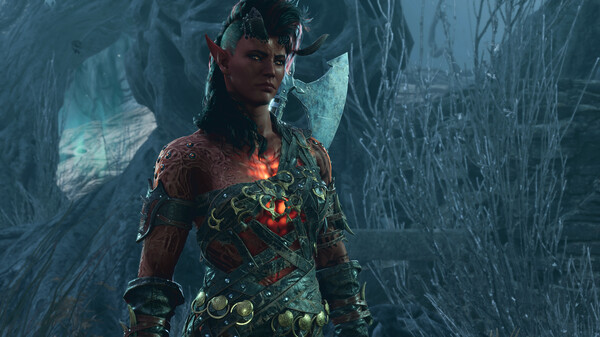
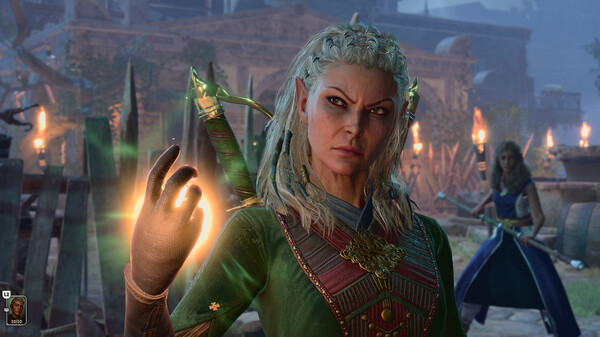
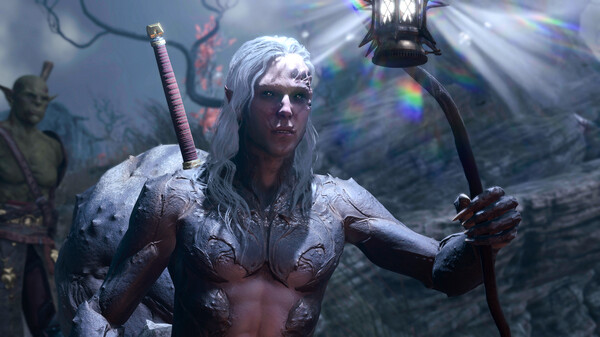
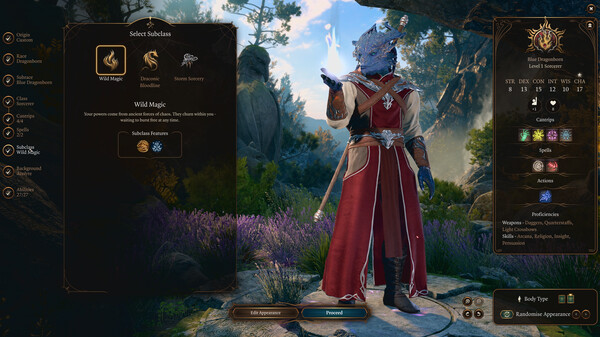
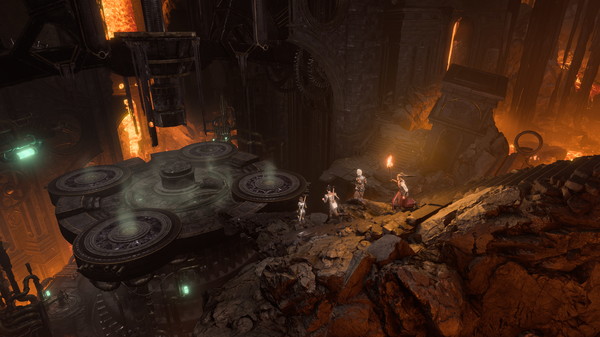
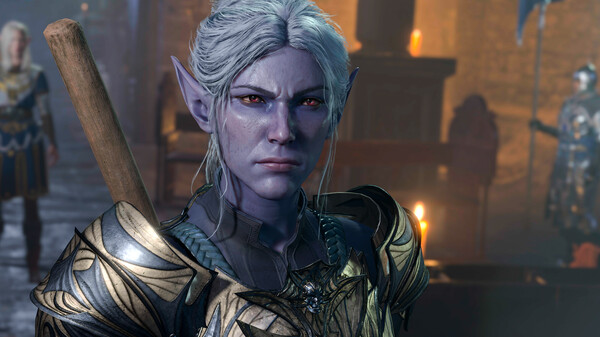
Players repeatedly praise the branching story and meaningful choices: decisions can change quests, relationships, and outcomes, while creative approaches to encounters are often anticipated and supported by the game.Companions and other characters are widely considered memorable and well-written, with strong character arcs, voice acting, dialogue, and romance options helping players become emotionally invested.The D&D-inspired role-playing and tactical systems offer extensive build, class, party, and playstyle options. Many reviewers say the game captures the feel of a tabletop campaign without needing to organize a group.Exploration is richly detailed, with secrets, side quests, environmental interactions, and alternate routes that reward curiosity. Players commonly report finding new content even after hundreds of hours.The game is highly replayable and fun both solo and with friends, including co-op. Players also appreciate official mod support, which adds customization and fresh ways to revisit the game.Negative Points
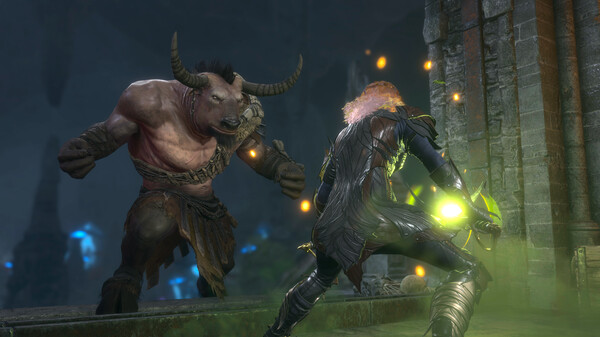
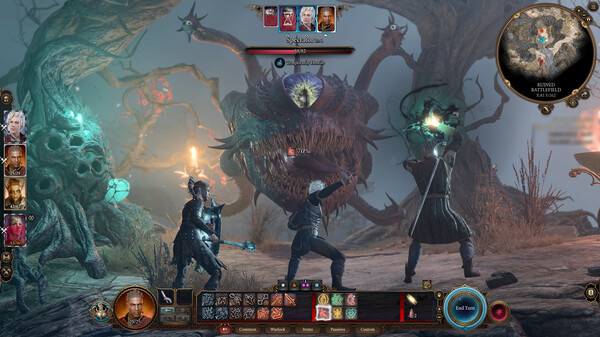
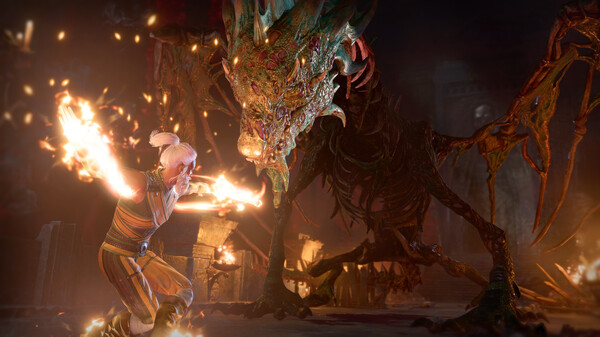
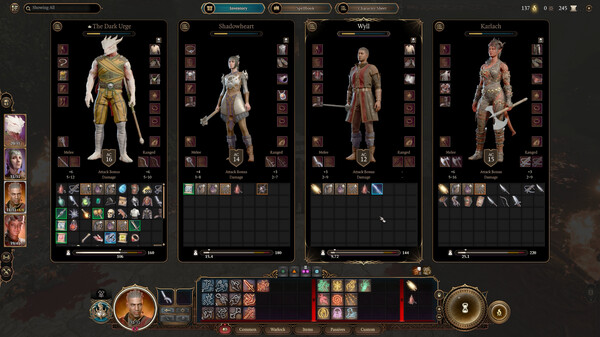
Some players find the turn-based combat slow, overly dependent on dice rolls, or frustrating when attacks miss or tactics do not work as expected. The rules and systems can also be difficult for newcomers to learn.A minority report bugs and usability issues, including awkward pathfinding, camera or movement problems, interface glitches, crashes, and occasional performance slowdowns—sometimes more noticeable in Act 3 or on less powerful PCs.Act 3 is a common point of mixed or negative feedback: some players find its large number of quests overwhelming or its pacing and progression uneven, while others feel the finale or ending choices are restrictive or unsatisfying.The game’s length and density can be daunting. Some reviewers mention slow early pacing, burnout, difficulty returning after a break, or trouble completing a playthrough.A few players criticize aspects of character variety or customization, companion behavior, and quality-of-life features such as inventory management; some also prefer Divinity: Original Sin 2’s combat or systems.Mixed Points
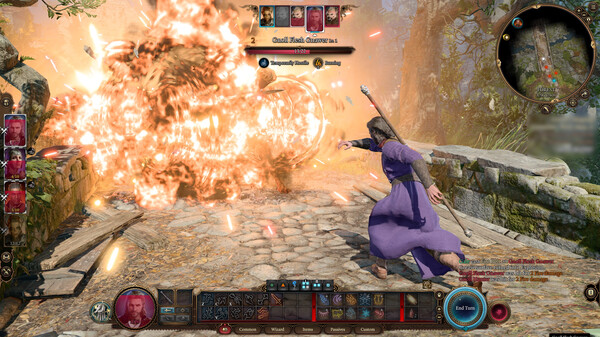
Combat is engaging and strategically deep for many players, with creative environmental interactions and build options, but others dislike its turn-based pace, dice-driven outcomes, or occasional clunky mechanics.The story and character arcs are major strengths for most reviewers, though opinions differ on Act 3’s pacing, the main plot’s payoff, and how satisfying the endings feel.The game’s substantial length and abundance of content create strong value and replay potential, but can also feel overwhelming, slow, or difficult to finish.Co-op is frequently described as a highlight and a great way to recreate a tabletop session, though coordinating story choices can be awkward when one player leads dialogue or controls progression.Mods extend the game and enable extensive customization, but some players note that updates can disrupt mods or that modding changes how achievements work.Common Themes
Player freedom and reactivity: choices, dialogue, exploration, and improvised solutions can meaningfully shape encounters and story outcomes.High replay value: alternate characters, builds, party combinations, and decisions make subsequent runs feel different, with many players still discovering content after extensive playtime.Strong D&D adaptation: reviewers often call it an accessible, highly crafted way to experience a tabletop-style fantasy campaign, whether or not they already know the rules.Memorable companions and relationships: character writing, voice performances, party dynamics, and romance are central to many players’ attachment to the game.A time-intensive experience: the game offers a great deal to explore, but its scope, learning curve, and long acts can demand patience.Updated 11/24/2026, 12:01:59 AM UTC