RPG
Simulation
Strategy
Single-player
Multi-player
PvP
Online PvP
Steam Achievements
Steam Trading Cards
Steam Workshop
Adjustable Text Size
Camera Comfort
Custom Volume Controls
Adjustable Difficulty
Mouse Only Option
#category_playable_at_your_own_pace
Playable without Timed Input
Save Anytime
Steam Cloud
Remote Play on Tablet
Family Sharing
Crusader Kings III
RPG
Simulation
Strategy
Single-player
Multi-player
PvP
Online PvP
Steam Achievements
Steam Trading Cards
Steam Workshop
Adjustable Text Size
Camera Comfort
Custom Volume Controls
Adjustable Difficulty
Mouse Only Option
#category_playable_at_your_own_pace
Playable without Timed Input
Save Anytime
Steam Cloud
Remote Play on Tablet
Family Sharing
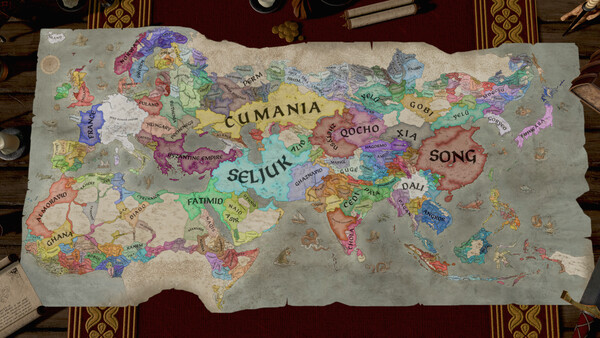
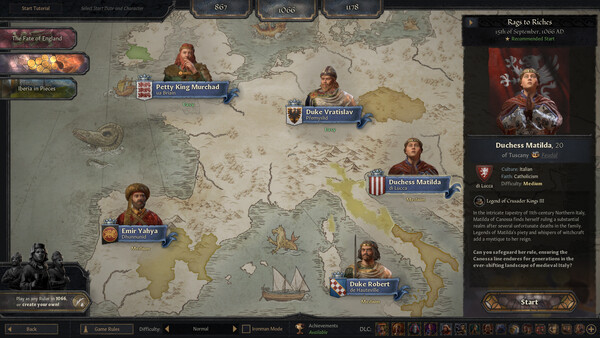
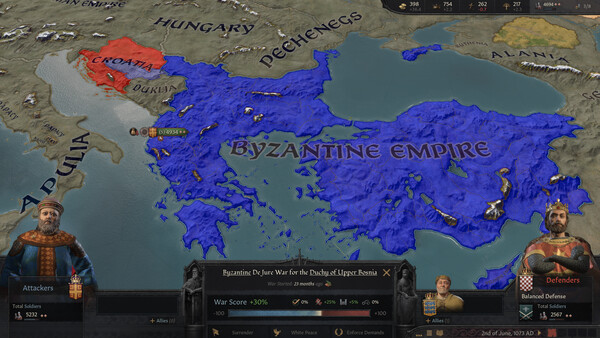
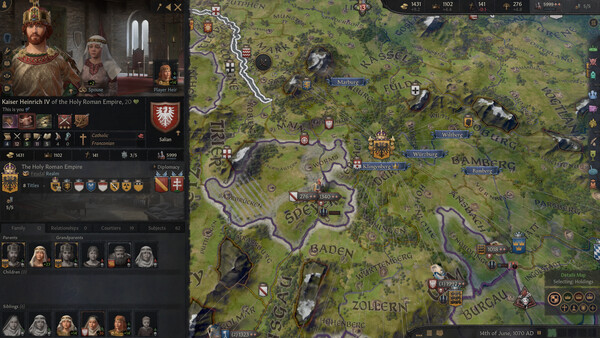
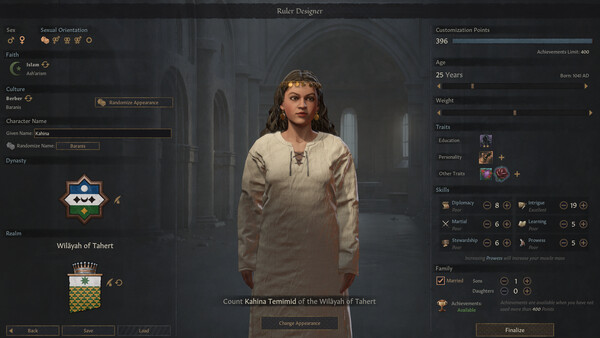
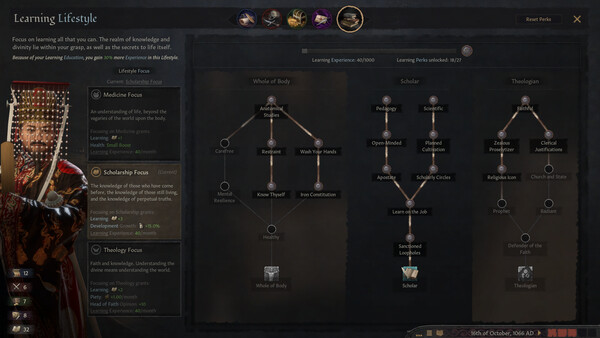
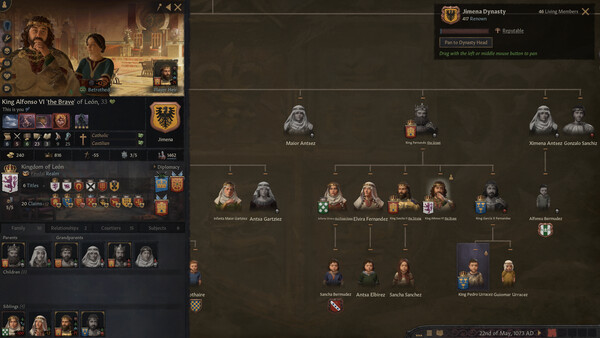
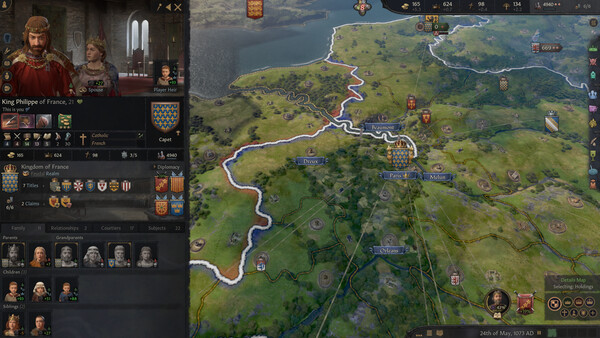
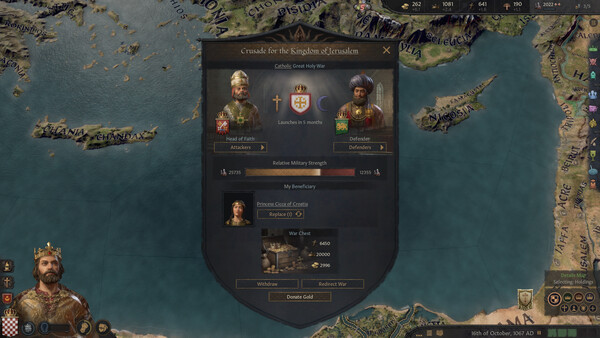
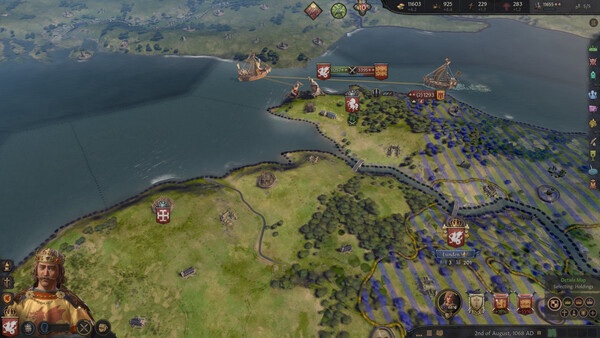
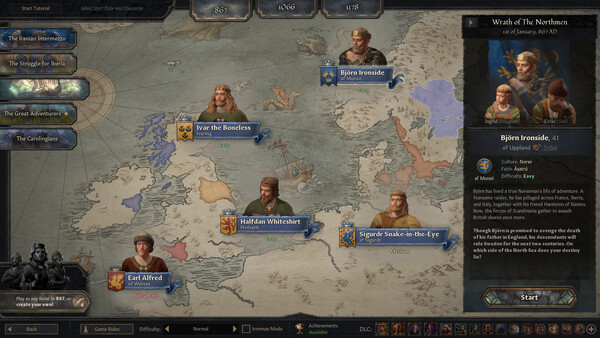
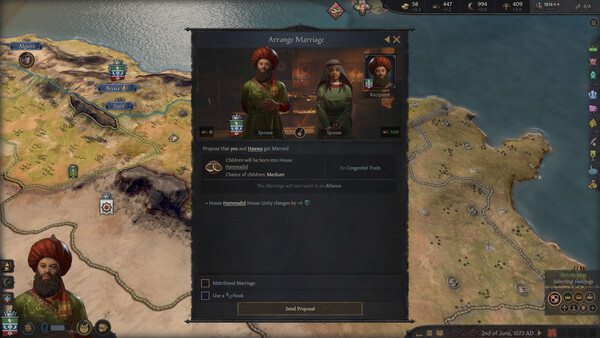
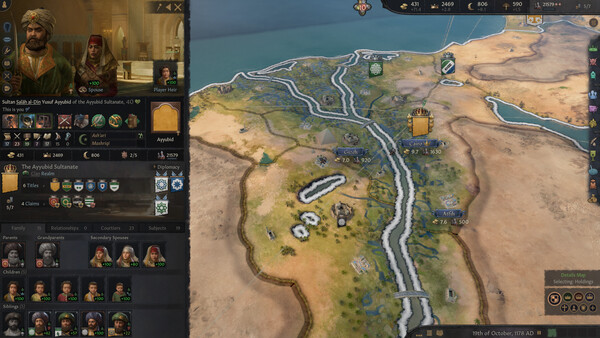
Love, fight, scheme, and claim greatness. Determine your noble house’s legacy in the sprawling grand strategy of Crusader Kings III. Death is only the beginning as you guide your dynasty’s bloodline in the rich and larger-than-life simulation of the Middle Ages.
Developers: Paradox Development Studio
Publishers: Paradox Interactive
Release Date: Sep 1, 2020
Price (USD): $49.99
Current Players: 10k
Links: Steam Store SteamDB
Very Positive(90%)
Dynasty role-play
Emergent stories
High replayability
Total-conversion mods
Learning curve
Random events
Strategic depth
Expensive DLC
Crashes and lag
Multiplayer desync
AI and warfare
Overall, sentiment is strongly favorable toward dynasty-focused role-play, emergent campaign stories, and extensive mod support, with many players describing the game as highly replayable and hard to put down. Common reservations center on expensive DLC and recurring technical or multiplayer problems. The steep learning curve and unpredictable events can be part of the appeal for experienced players but a source of frustration for newcomers or players seeking more controlled strategy.
Positive Points
Negative Points
Mixed Points
Common Themes
Updated 10/16/2026, 12:02:40 AM UTC