Very Positive(83%)
Satisfying combat
Training tools
Visual presentation
Character variety
Replayability
Modern controls
Drive system
World Tour
Competitive balance
Online matchmaking
Expensive DLC
Matchmaking errors
Content drought
Throw loops
Confusing menus
Many players enjoy responsive, satisfying combat, the game’s learning tools, and its appeal to fighting-game newcomers. However, reviews repeatedly criticize expensive DLC and paywalled characters, along with matchmaking and connection problems and a perceived slowdown in updates. Opinions are divided on Modern controls and the Drive system: they make the game more accessible and distinctive for some, but others feel they contribute to volatile, repetitive competitive matches. World Tour is a welcome source of single-player content for some and a grindy or under-supported mode for others.
Positive Points
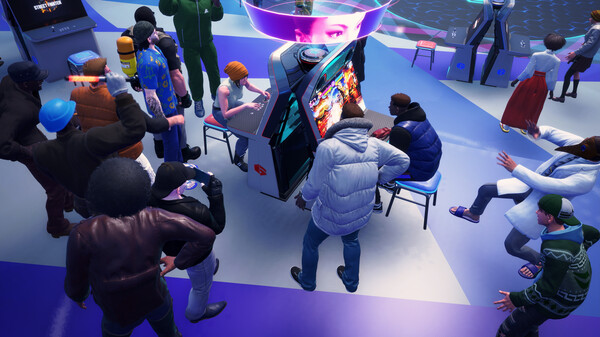
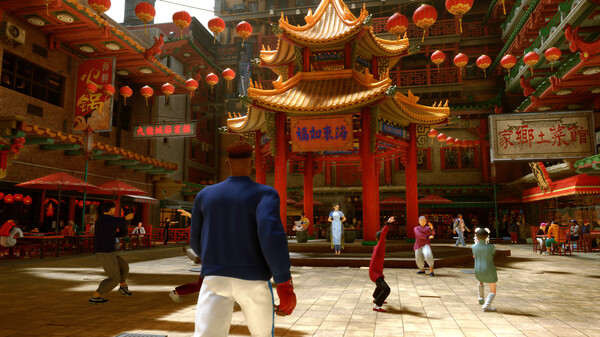
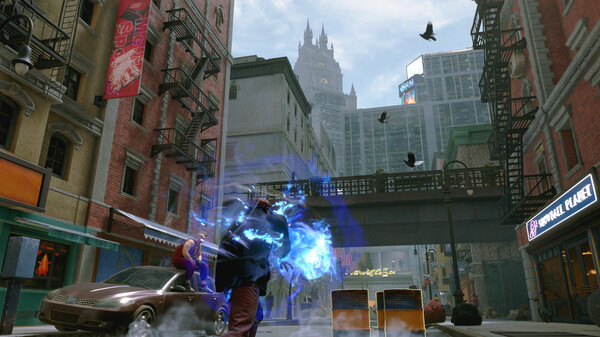
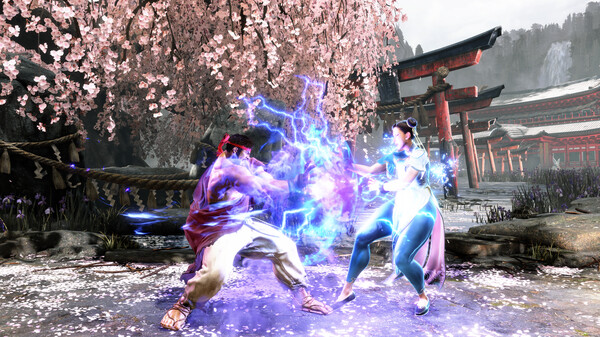
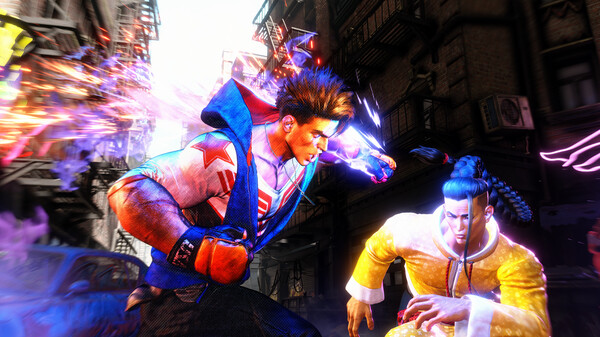
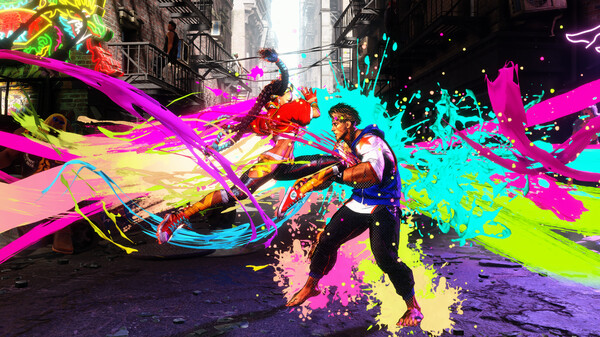
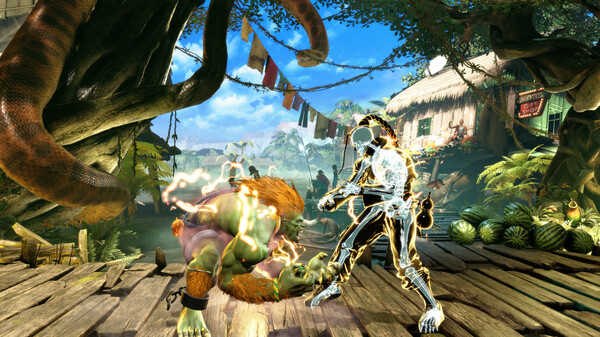
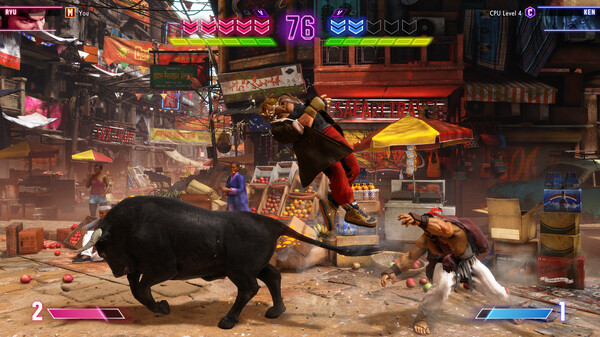
The core fighting feels responsive, satisfying, and rewarding to learn, with players enjoying the strategy, combos, and the sense of progress that comes from improving.Many newcomers say the tutorials, training mode, character guides, and Modern controls make Street Fighter 6 an unusually approachable starting point for fighting games.Players praise the polished visuals, animations, sound effects, and presentation, as well as the game’s broad character selection and distinct fighting styles.World Tour, arcade, avatar, and other modes give the game substantial single-player and casual content; some players especially enjoy exploring Metro City and customizing a fighter.Many reviews report smooth online play, a large active player base, and satisfying ranked matches, while others value features such as replay review and skill-based practice opponents.Negative Points
The most widespread complaint is expensive monetization: the base game excludes DLC fighters, character passes and cosmetics can add up to far more than the game’s price, and premium currency practices are seen as frustrating or exploitative.Some players cannot practice against DLC characters they have not purchased, making it harder to learn matchups or decide whether a character is worth buying.A large number of competitive-focused reviews criticize Drive Rush, Drive Impact, throw loops, and high damage for making matches feel overly aggressive, repetitive, or dependent on rapid guesses rather than neutral play.Players disagree sharply about balance, with complaints about overpowered or frustrating characters, weak characters, and patches that leave the same meta in place or fail to address core mechanics.Online experiences are inconsistent: players report long queues, matchmaking errors, poor regional connections, disconnections, and opponents far outside their skill level, though others report fast and smooth matches.Some reviewers describe post-launch support as slow or lacking, citing content droughts, few costumes and stages, limited balance changes, and the end of updates to World Tour.Technical and usability complaints include crashes, startup or connection errors, performance problems in World Tour, large install size, confusing menus, and the Capcom account requirement.Mixed Points
Modern controls are widely welcomed as a way for beginners and casual players to join in quickly, but some experienced players feel they create an unfair matchup or undermine the value of traditional inputs.The Drive system adds strategic options and is a major part of the game’s identity, yet many players find its mechanics overwhelming, overly aggressive, or too central to every character’s game plan.World Tour is a distinctive and substantial single-player mode that some players find fun and helpful for learning, while others call it repetitive, grindy, poorly optimized, or less compelling than traditional arcade content.Ranked and online play can be highly addictive and rewarding when matchmaking works, but competitive matches can also feel stressful, volatile, and frustrating, especially for beginners or players in less-served regions.Players often consider the base game strong value on sale or with a preferred roster, but feel the full experience becomes poor value when DLC characters, costumes, and other purchases are included.Common Themes
The core combat is the game’s clearest strength: even many dissatisfied reviewers distinguish the enjoyable fighting itself from problems with pricing, balance, or online services.Accessibility is a defining feature. Modern controls and extensive learning tools bring many first-time fighting-game players in, although how those controls affect competitive fairness remains controversial.The game’s systems divide players. Drive mechanics and throw loops are praised by some as adding depth, but repeatedly criticized by others for homogenizing characters and emphasizing offense and guessing.DLC pricing is a recurring barrier to recommending the game, particularly because it locks characters behind additional purchases and can limit matchup practice.Players have sharply different online experiences: some praise the active community and smooth netcode, while others report severe matchmaking, regional connectivity, or stability problems.The game is often described as easy to start but difficult to master; many players enjoy the long-term learning curve, while others find ranked losses and the competitive intensity exhausting.Long-term players frequently want more meaningful updates, including balance changes, new stages and costumes, and continued support for single-player modes.Updated 10/18/2026, 12:02:36 AM UTC