Mostly Positive(74%)
Gunplay
Quest choices
Build variety
World design
Radio soundtrack
Writing and satire
Companions
Story pacing
Combat balance
Sequel comparison
Crashes
Shader delays
Fetch quests
Skill gating
Full-price value
Overall sentiment is mixed. Fans of sci-fi RPGs often enjoy gunplay, character builds, and consequential choices, along with the distinctive art and radio music. However, many criticize crashes and shader delays, restrictive skill checks, and repetitive quests. Reactions to the writing, satire, companions, and comparison with the first game vary sharply, and many players recommend waiting for a sale.
Positive Points
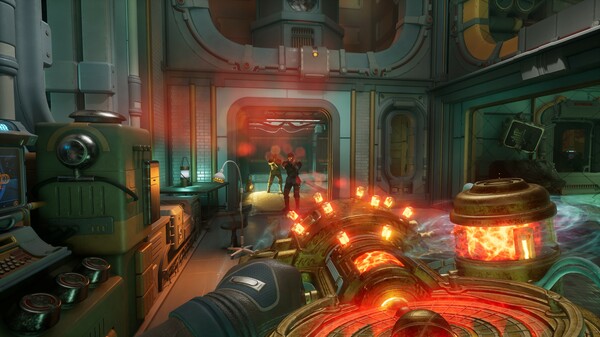
Many players enjoy the improved gunplay and movement, varied weapons, and the ability to approach encounters with different builds, stealth, gadgets, or direct combat.The game offers substantial role-playing choices: quest outcomes, faction relationships, dialogue options, and character builds can affect how players progress and how the story concludes.Reviewers often praise the art direction, distinctive environments, worldbuilding, voice acting, and soundtrack. In-universe radio stations and faction jingles are especially memorable for some players.Fans of the series’ campy science-fiction humor appreciate its absurd dialogue, satirical details, and quirky weapons, and some players find the setting enjoyable to explore.Several players value the larger scope, abundant quests, companion storylines, and potential for different playthroughs, describing it as an entertaining Fallout-style space RPG.Negative Points
Technical problems are a major concern: players report frequent crashes, fatal errors, shader compilation delays, stuttering, poor optimization, and occasional bugs that block quests or prevent loading.Many reviewers find the story and writing dull, overly verbose, inconsistent, or less nuanced and funny than the first game. Some say the satire feels forced or heavy-handed, while others simply dislike its tone.Companions and factions are often described as less memorable or less developed than in the original, with limited interaction and faction choices that some players find shallow or overly caricatured.Large areas and side content can feel empty or repetitive, with frequent fetch quests, long stretches of travel, and exploration that does not always offer worthwhile rewards.The skill system’s limited points, level cap, and scarce or absent respec options can lock players out of checks and quest solutions. Some also criticize combat balance, enemy health, and repetitive encounters.Mixed Points
The sequel comparison is divisive: some players consider it a substantial improvement, while many fans feel it loses the original’s charm, atmosphere, or stronger storytelling.Writing and satire are highly subjective. Some players praise the humor, dialogue, and political commentary; others find them cringeworthy, repetitive, or lacking nuance.Companions are a highlight for some reviewers, who enjoy their personalities and quests, but others find them forgettable, irritating, or less useful and interactive than before.Combat and progression can be satisfying and offer varied builds, but other players describe combat as shallow, repetitive, poorly balanced, or undermined by restrictive skill checks.Many recommend the game to genre or series fans but advise waiting for a discount, citing mixed enjoyment, technical issues, and a full price they feel is too high. Some also criticize limited communication about promised DLC.Common Themes
The reviews repeatedly assess the game against the first Outer Worlds: players often like the broader scope and gameplay changes but disagree about whether the sequel preserves the original’s personality.Role-playing flexibility is central to player impressions. Choices, builds, and quest outcomes are praised, while skill requirements and limited character respecs frustrate players who want to explore more options in one playthrough.The writing, humor, factions, and companions divide opinion more than almost any other part of the game, ranging from standout strengths to the main reasons players lose interest.Technical reliability significantly affects recommendations. Some players report smooth performance, but many describe crashes, long shader waits, save problems, or progression-blocking bugs.Value is a recurring concern: many reviewers enjoyed the game but recommend buying it on sale rather than at full price.Updated 11/21/2026, 12:02:37 AM UTC