Very Positive(91%)
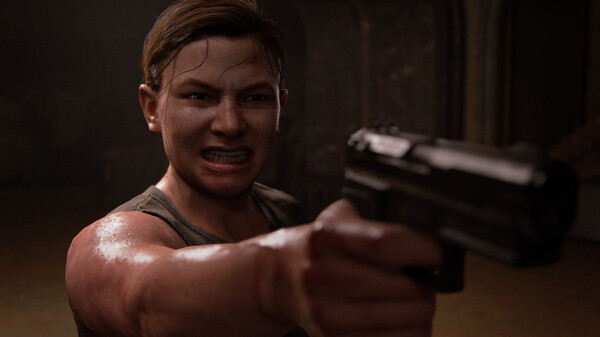
Visceral combat
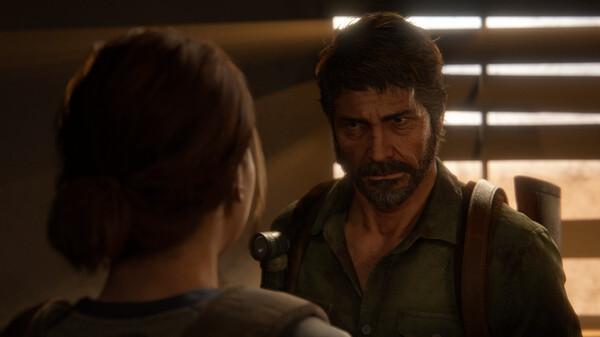
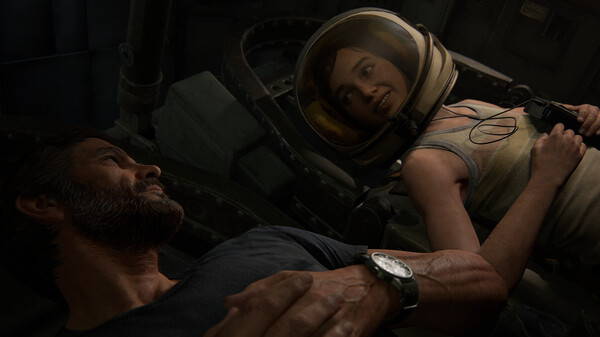
Stunning visuals
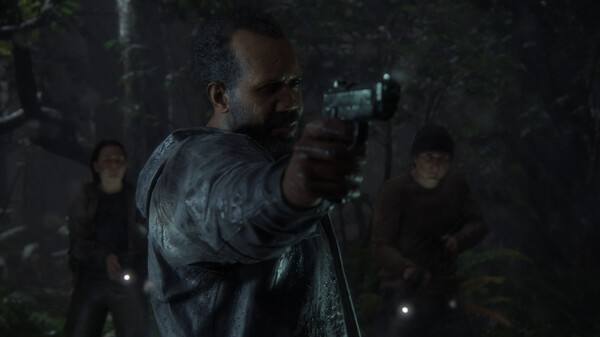
Immersive atmosphere
Smart enemy AI
No Return
Abby sections
Revenge story
Bittersweet ending
Social themes
PC crashes
Slow pacing
Repetitive encounters
Cutscene-heavy
Overall, sentiment is strongly divided, though many players recommend the game for its visceral combat, stealth, and striking presentation and find its story unforgettable. The main complaints center on uneven PC stability and slow, extended sections, while Abby’s perspective, the revenge narrative, and the ending are either powerful and thought-provoking or frustrating and unearned, depending on the player.
Positive Points
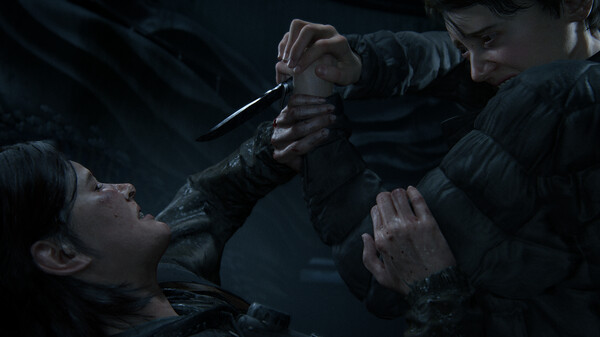
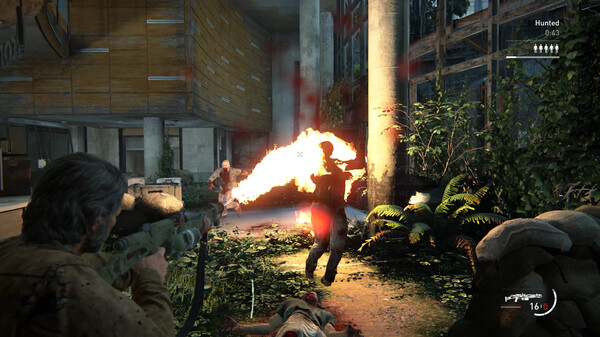
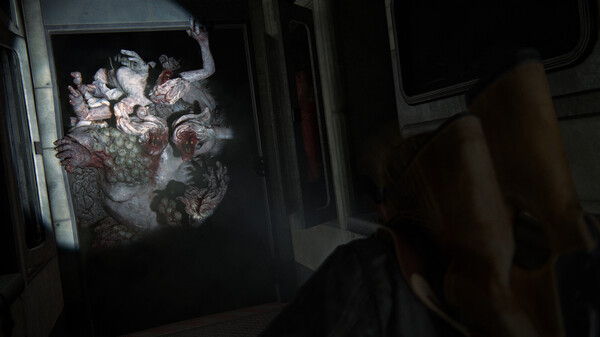
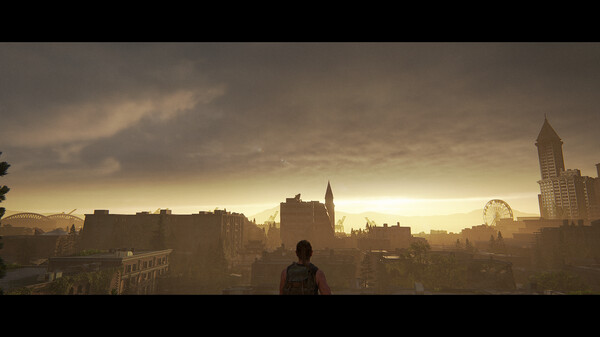
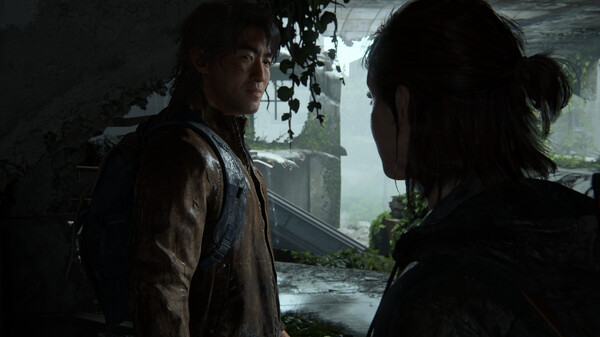
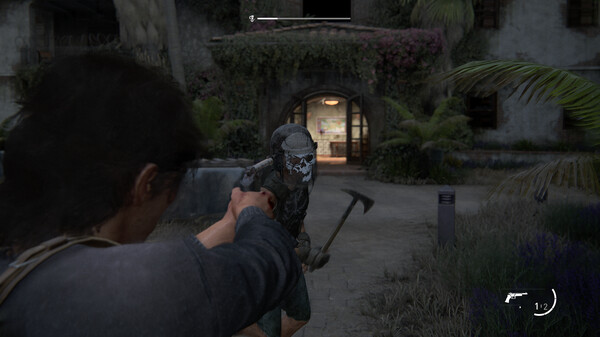
Players widely praise the polished, visceral combat, especially the improved stealth options, dodging, prone movement, crafting, and encounters with enemies who flank and communicate. Many consider it a clear gameplay improvement over the first game.The graphics, animation, facial expressions, environmental detail, and atmospheric Seattle locations are frequently described as exceptional. Sound design and music also help make exploration and combat feel tense and immersive.Many players find the story emotionally powerful and memorable, praising its character development, performances, bold perspective shifts, and exploration of grief, revenge, empathy, and moral ambiguity.Exploration offers detailed environments, optional supplies and collectibles, and varied ways to approach encounters. Several players also enjoy the extra replayability from No Return and other remaster features.Many fans of the first game consider Part II a compelling sequel and recommend playing it after Part I; some replay it or pursue its achievements despite its demanding subject matter.Negative Points
A substantial number of reviewers dislike the story’s structure and execution, particularly the long switch to Abby’s perspective, which interrupts the momentum of Ellie’s storyline and asks players to invest in a character they may not care about.The revenge plot and ending are frequent points of frustration. Critics say character decisions feel contrived, emotional developments are not earned, and Ellie’s final choice leaves the long journey feeling unresolved or unrewarding.The game’s length, extended cutscenes, slow walking-and-talking stretches, repeated encounters, and bleak tone make some players feel it drags or becomes emotionally exhausting.PC players report inconsistent technical performance, including crashes, stuttering, launch failures, visual glitches, high hardware demands, and occasional game-breaking bugs. Other players report smooth performance, so experiences vary considerably.Some reviewers find the gameplay loop repetitive, the combat or difficulty balance uneven, or certain sections and encounters frustrating; a smaller number object to the story’s LGBTQ or other social themes.Mixed Points
The story is highly divisive: many players value its challenging, emotionally intense perspective shifts, while others feel the same choices—especially playing as Abby—are forced or weaken their attachment to the characters.Abby’s storyline changes how some players view her and the conflict, but others never sympathize with her and find her extended campaign tedious or unconvincing.The revenge theme and bittersweet ending resonate with players who appreciate an uncomfortable, nontraditional conclusion, while others see the ending as illogical, unsatisfying, or at odds with the journey.The game is often considered longer and more content-rich than Part I, but that extra length is a benefit to some and padding to others; several players prefer the first game’s tighter pacing and story.Opinions about representation and social themes vary sharply: some welcome the characters and representation, while others criticize how these elements are presented or object to their presence.Common Themes
The strongest consensus is around the game’s technical craft: striking visuals, detailed environments, expressive animation, sound, and atmosphere receive frequent praise.Combat and stealth are commonly seen as satisfying upgrades, with tense encounters, flexible tactics, scarce resources, and more capable enemy AI standing out.The narrative is the main source of disagreement. Players debate its dual perspectives, characterization, treatment of revenge, and whether its ending earns the emotions it seeks.Many reviews describe the experience as heavy, brutal, depressing, or emotionally draining, even when the reviewer considers that impact effective.Players often compare the sequel with Part I, praising its expanded mechanics and production values while disagreeing about whether its story matches or surpasses the original.Updated 11/20/2026, 12:03:28 AM UTC