Very Positive(88%)
Strategic depth
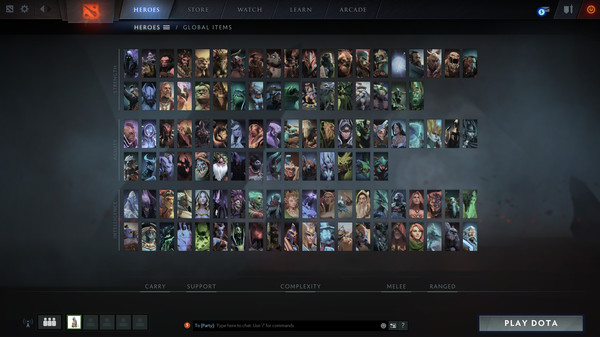
Hero variety
Replayability
Team play
Steep learning curve
Addictive gameplay
Emotional intensity
Long time commitment
Toxic community
Poor matchmaking
Unfair penalties
Technical issues
Overall, reviews reflect a passionate but sharply divided relationship with Dota 2: players celebrate deep strategy, distinctive heroes, and replayable matches, while many warn about toxic interactions, frustrating matchmaking, and unfair penalties. Its steep learning curve and addictive, emotionally intense matches are both part of its appeal and a major reason some players advise caution.
Positive Points
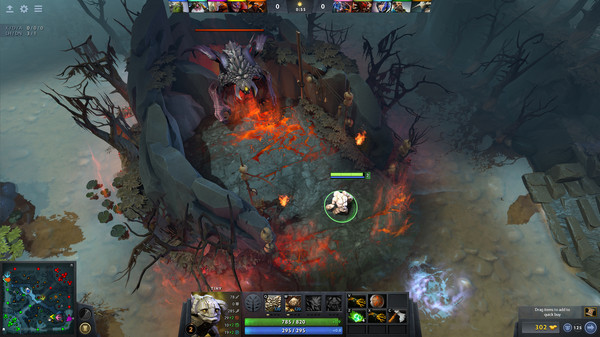
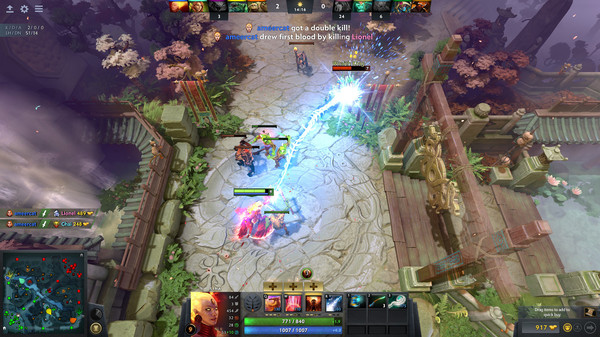
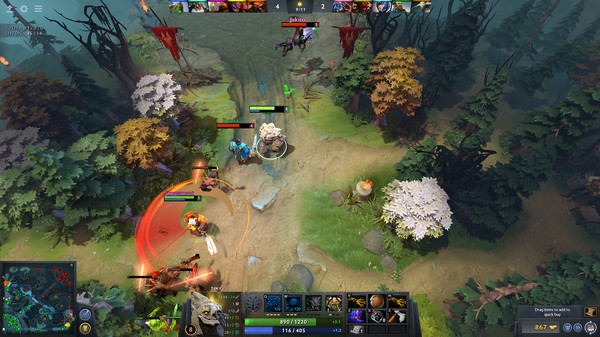
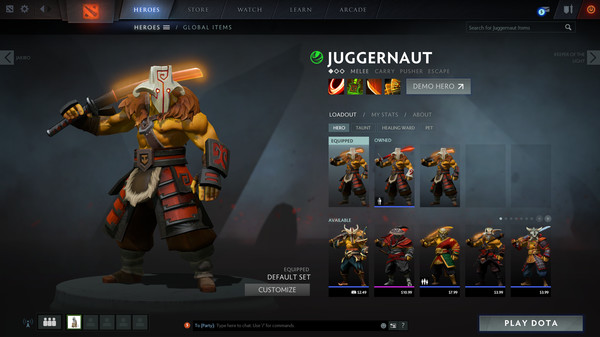
Players who enjoy complex competitive games praise Dota 2’s strategic depth, demanding decision-making, teamwork, and high skill ceiling.The large hero roster, varied item builds, evolving strategies, and unpredictable matches give the game strong replayability, with long-time players still finding new things to learn.Many reviewers describe matches as exciting, satisfying, and fun, especially when a team coordinates well or players queue with friends.A substantial number of players have fond memories of Dota and Dota 2, value its long-running appeal, and call it one of their favorite games or the best MOBA.Players also appreciate that the core game is free to play, with some enjoying its additional modes, updates, and cosmetic rewards.Negative Points
A recurring complaint is the community’s toxicity: teammates may insult, blame, grief, abandon matches, or make communication unpleasant.Many reviewers say the game is highly stressful and addictive, consumes excessive time, and can harm their mood, mental well-being, or other priorities.Players frequently criticize matchmaking for uneven skill levels, frustrating streaks, smurfs, account buyers, suspected bots, and unreliable or poorly performing teammates.Numerous reviews object to the behavior, report, mute, and penalty systems, saying reports can be unfair and that crashes or disconnects can lead to restrictions.Some players report technical problems such as crashes, lag, packet loss, coordinator or connection errors, matchmaking delays, and broken updates or interfaces.New and returning players may find the learning curve intimidating, with complex mechanics and a long time investment required before they feel competent.Mixed Points
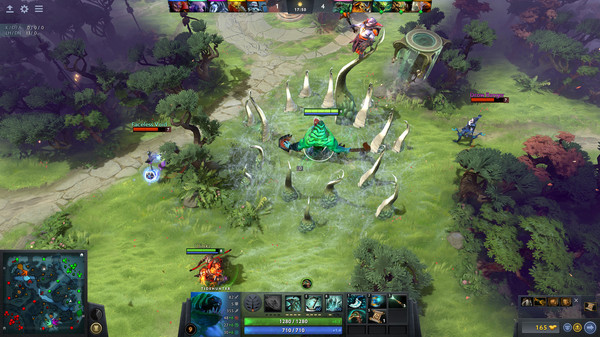
The game’s depth and high skill ceiling are major attractions for experienced players, but many describe the learning process as steep, confusing, and time-consuming.Dota’s intense competition and close team fights can be thrilling and rewarding, yet the same matches are often described as exhausting, frustrating, or rage-inducing.Many players love the game despite warning others away from its addictive time commitment and emotional toll.Some players enjoy playing with friends or coordinated teams, while solo play is often portrayed as less predictable and more vulnerable to toxic or unreliable teammates.Opinions on the game’s current state vary: devoted veterans still praise its lasting appeal, while others say matchmaking, community systems, or recent updates have made it worse.Common Themes
Dota 2 inspires a pronounced love-hate response: players often call it a favorite or masterpiece while also joking that it causes misery and that they cannot stop playing.Strategic complexity, distinct heroes, teamwork, and the variety of match outcomes are central reasons players keep returning.The steep learning curve and long-term commitment are frequently mentioned, particularly in advice to new players.Toxic behavior, frustrating teammates, and dissatisfaction with matchmaking or punishment systems are among the most common complaints.Many reviews use humor and exaggeration to describe lost time, stress, and repeated returns to the game.Updated 10/15/2026, 6:03:08 PM UTC